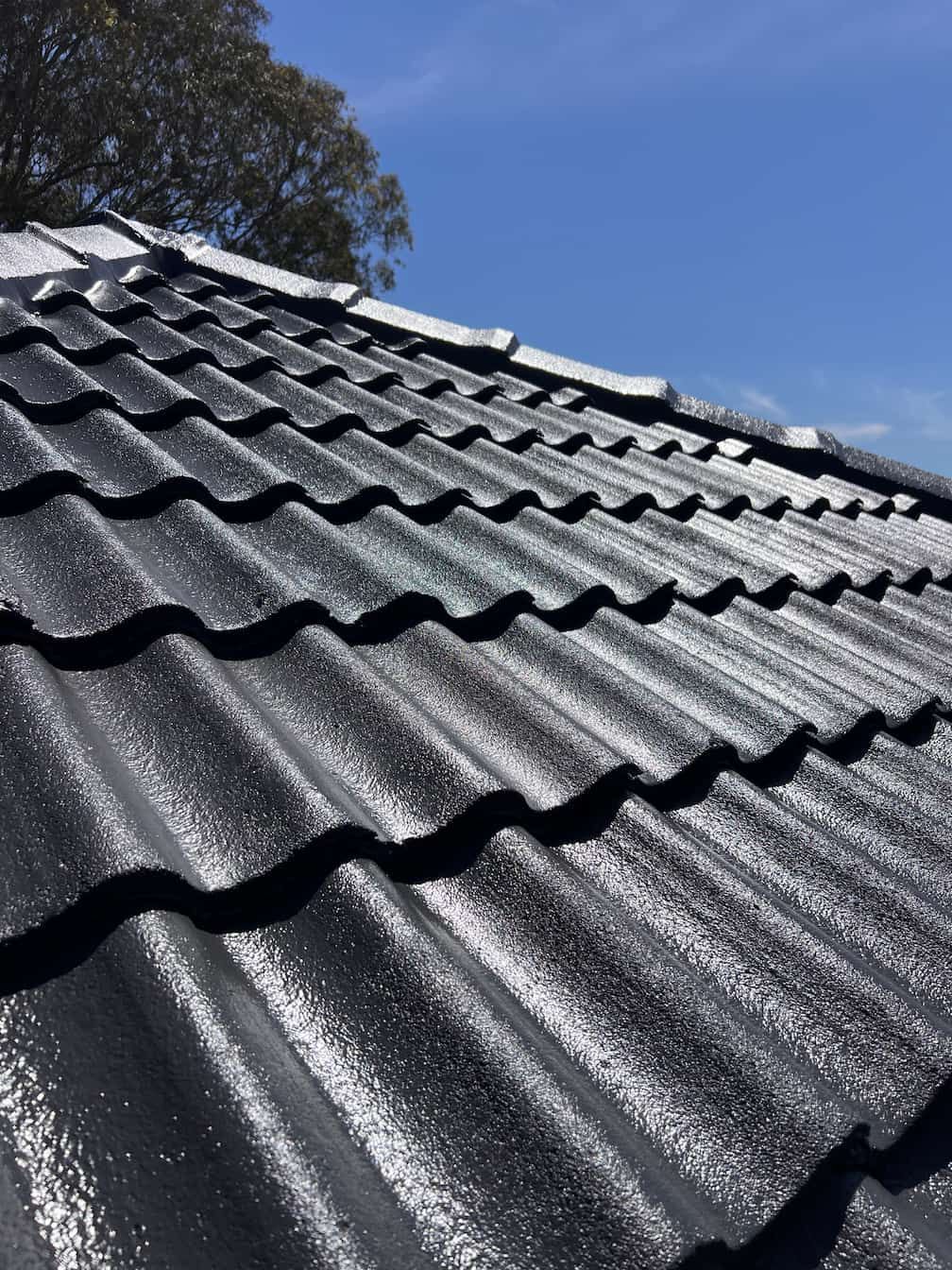

How to Find a Leak in Your Roof
A roof leak is one of those problems that rarely gets better on its own. What starts as a small water stain on the ceiling can quickly turn into damaged plaster, mould, rotting timber, ruined insulation and expensive repairs if the source of the leak isn't found quickly.
One of the biggest misconceptions homeowners have is that the water dripping from their ceiling is directly below the hole in the roof. In reality, that's almost never the case.
At Rapid Roof Services, we've inspected leaking roofs all across Sydney and the Southern Highlands, and it's common to find water travelling several metres through roof cavities before finally appearing inside the home. We've even investigated properties where the leak entered near the ridge capping but didn't become visible until the opposite side of the room.
That's why finding a roof leak isn't always as simple as replacing a cracked tile or applying silicone where you see water.
In this guide, we'll explain how roof leaks actually behave, where they most commonly start, how to inspect your roof safely, and the warning signs that tell you it's time to call a professional.
Why Roof Leaks Are So Difficult To Find
Finding the source of a roof leak is often much harder than people expect because water doesn't simply drip straight down.
Instead, it follows the easiest path.
Once water enters your roof, it can run along roof battens, rafters, insulation, roof sarking and even electrical conduits before finally finding somewhere to escape into your ceiling.
This is why the visible damage inside your home is often nowhere near the actual leak.
We've seen homeowners replace several broken tiles above a ceiling stain, only to discover the real problem was deteriorated flashing several metres higher up the roof.
It's also common for a leak to only appear during heavy storms with strong winds. Wind-driven rain can force water underneath tiles or roof sheets in places that stay completely dry during normal rainfall, making these leaks especially difficult to trace.
Because of this, experienced roofers don't simply look where the water is dripping. They inspect the entire drainage path across the roof before determining where the water first entered.
The Early Signs You May Have a Roof Leak
Catching a leak early can save thousands of dollars in repairs. While obvious dripping water is an unmistakable sign, many roof leaks develop slowly over weeks or months before becoming noticeable.
Some of the most common warning signs include:
Water Stains on the Ceiling
Brown, yellow or dark patches on ceilings are often the first indication that moisture has entered the roof cavity.
These stains usually become larger after heavy rainfall, even if you don't actually see water dripping.
Bubbling Paint or Peeling Plaster
Moisture trapped behind painted surfaces causes paint to blister and plasterboard to soften.
Many homeowners assume this is simply old paint, when it's actually the early stages of a roof leak.
Mould Growth
Persistent moisture creates the perfect environment for mould.
If mould continues returning despite cleaning, the source of moisture may actually be above your ceiling rather than inside the room itself.
Damp Smells
A musty smell coming from upstairs rooms or roof cavities often indicates moisture has been sitting unnoticed for some time.
Sagging Ceiling Plaster
A ceiling that begins bowing or sagging should never be ignored.
Water can become trapped above plasterboard, adding significant weight and creating a risk of collapse.
The Most Common Places Roof Leaks Start
After inspecting hundreds of leaking roofs throughout Sydney, certain problem areas appear far more often than others.
Broken or Slipped Roof Tiles
Concrete and terracotta roof tiles can crack over time due to age, storm damage or people walking across the roof incorrectly.
Sometimes the crack is obvious.
Other times it's so fine it's only visible when the tile is lifted and inspected closely.
Damaged Ridge Capping
Older tiled roofs often develop cracks in the pointing or bedding around ridge caps.
Once these protective materials begin deteriorating, rainwater can enter underneath during storms.
One thing we regularly find is homeowners replacing cracked tiles when the actual leak is coming through failed ridge capping just above them.
Rusted Metal Roofing
Metal roofs generally last for many decades, but they're not immune to leaks.
Common causes include:
- Rust around fixings
- Perished screw washers
- Loose roof screws
- Corrosion near roof penetrations
- Damaged roof sheets
Small holes can allow surprising amounts of water inside during heavy rain.
Flashing Failures
Roof flashing seals the joins around chimneys, skylights, walls, vents and valleys.
When flashing lifts, corrodes or was installed incorrectly, it often becomes one of the first places water enters.
In our experience, flashing problems are responsible for a significant percentage of persistent roof leaks that homeowners struggle to locate themselves.
Roof Valleys
Valleys collect enormous volumes of rainwater.
If leaves, dirt and debris build up, water begins pooling instead of draining freely.
Eventually the water finds its way underneath tiles or roof sheets.
This is especially common on properties surrounded by gum trees, something we regularly see throughout many Sydney suburbs.
Skylights and Roof Penetrations
Any opening through your roof creates another potential leak point.
This includes:
- Skylights
- Solar panel mounts
- Exhaust vents
- Plumbing vents
- Antennas
- Satellite dishes
Older sealants naturally deteriorate over time, allowing water to slowly enter around these penetrations.
Why Roof Leaks Often Only Happen During Heavy Rain
One question we hear all the time is:
"Why does my roof only leak during really heavy rain?"
The answer usually comes down to wind direction and water volume.
During light rain, water flows exactly as your roof was designed for.
However, during severe storms, strong winds can push rain sideways or even upwards beneath roof tiles and flashings.
We've attended homes where customers insisted the roof couldn't be leaking because it stayed dry through several weeks of rain, only for it to leak badly during one intense storm.
These intermittent leaks are often the hardest to diagnose because by the time a roofer arrives, everything appears dry again.
This is why it's helpful to take photos or videos if you notice active leaking during heavy rain, as they can provide valuable clues during an inspection.
Why Replacing a Broken Tile Doesn't Always Fix the Leak
One of the biggest DIY mistakes we see is homeowners replacing the first broken tile they find and assuming the problem has been solved.
Sometimes that's exactly what's needed.
Often, it isn't.
The broken tile may simply be where the water eventually escaped—not where it entered.
We've investigated roofs where previous repairs had sealed multiple cracks with silicone, yet the actual leak was coming through deteriorated valley flashing several metres away.
That's why professional leak detection focuses on identifying the original entry point rather than simply repairing the most obvious damage.
A proper diagnosis saves time, money and the frustration of the leak returning after the next storm.
Can You Find a Roof Leak Without Climbing Onto the Roof?
In many cases, yes.
While some leaks are obvious from the outside, a lot of valuable information can be gathered from inside your home before you ever think about getting on the roof. In fact, this is where we usually begin our inspections.
Start by noting exactly where the leak is appearing and whether it only occurs during certain weather conditions.
Ask yourself:
- Does it only leak during heavy rain?
- Does it leak when the wind comes from a particular direction?
- Has the stain gradually become larger over time?
- Is there more than one water stain?
The more information you can gather, the easier it is to narrow down the possible source.
If your home has an accessible roof cavity, use a torch to look for wet insulation, water marks on timber, or sunlight shining through where it shouldn't. Remember, water usually travels downhill along framing, so don't assume the first wet area you find is where the leak started.
If you can't safely access your roof space or you're unsure what you're looking at, it's best to leave the inspection to a professional.
How to Find a Roof Leak Step by Step
Finding a roof leak requires patience and a systematic approach. Jumping straight onto the roof without gathering information often wastes time and can lead you to repair the wrong area.
Step 1: Inspect Inside the Home
Start where the leak is visible.
Look for:
- Water stains on ceilings
- Damp walls
- Bubbling paint
- Mould growth
- Sagging plasterboard
Take photos and note whether the damage becomes worse after rainfall. This information is often invaluable when comparing the internal damage to the roof layout.
Step 2: Check the Roof Cavity
If it's safe to do so, inspect your roof cavity with a good-quality torch.
Look for:
- Wet insulation
- Dark water marks on timber
- Damp roof battens
- Rusty nail tips
- Water trails running along rafters
One thing we've learned over the years is that the first water mark you see isn't always the beginning of the leak. Continue following the trail uphill wherever possible.
Step 3: Inspect the Roof From Ground Level
Many issues can be spotted without climbing onto the roof.
Using binoculars or simply walking around your home, look for:
- Missing roof tiles
- Cracked ridge capping
- Rust patches
- Lifted flashing
- Overflowing gutters
- Debris in roof valleys
- Loose roof sheets
Storm damage is often easier to identify from several angles around the property.
Step 4: Inspect Common Leak Areas
Most roof leaks occur in a relatively small number of locations.
Pay particular attention to:
- Roof valleys
- Ridge capping
- Flashing around chimneys
- Skylights
- Roof vents
- Plumbing penetrations
- Solar panel fixings
- Gutters and downpipes
These areas experience the greatest amount of water flow and movement during storms.
Step 5: Perform a Controlled Water Test
If the source is still unclear, a controlled water test can help identify the leak.
One person remains inside the home while another slowly applies water to one section of the roof using a garden hose.
Only test one area at a time.
Avoid using high-pressure water, as this doesn't replicate natural rainfall and can force water into places it wouldn't normally enter.
This process can be effective, but only if performed carefully and methodically.
Tile Roof Leaks vs Metal Roof Leaks
While all roofs are designed to keep water out, tiled and metal roofs tend to leak for different reasons.
Tile Roofs
With tiled roofs, the most common issues we find include:
- Cracked roof tiles
- Slipped tiles
- Failed ridge capping
- Broken valley irons
- Deteriorated pointing
- Blocked valleys
Older concrete tile roofs around Sydney often require more than simply replacing a few tiles. In many cases, the bedding and pointing have deteriorated over time, allowing water to enter during heavy rain.
Metal Roofs
Metal roofs generally leak due to:
- Rust
- Loose screws
- Perished screw washers
- Poor flashing installation
- Corrosion around roof penetrations
- Damaged roof sheets
Colorbond roofs are extremely durable, but like any roofing material, they still require maintenance as they age.
Knowing the type of roof you have helps narrow down the likely causes of the leak.
Common DIY Mistakes We See
We completely understand why homeowners want to fix a roof leak themselves.
Unfortunately, some DIY repairs actually make professional repairs more difficult later on.
Some of the most common mistakes we see include:
Using Silicone Everywhere
Silicone might temporarily stop a leak, but it rarely fixes the underlying problem.
It also makes proper repairs more difficult because new materials often won't bond properly to old silicone.
Replacing the Wrong Tile
Many people replace the tile directly above the ceiling stain.
As we've mentioned throughout this guide, that's often not where the water entered.
Ignoring Gutters
Overflowing gutters can force water back underneath roofing materials.
Cleaning the roof while ignoring blocked gutters often means the leak returns during the next storm.
Walking on the Roof Incorrectly
We've attended jobs where more roof tiles were broken during a DIY inspection than were originally damaged.
Concrete and terracotta tiles can crack easily if walked on incorrectly, creating new leak points.
How We Find Roof Leaks at Rapid Roof Services
Every leaking roof is different, which is why we never rely on guesswork.
When we inspect a roof, we're looking at how the entire roofing system works together rather than focusing on one obvious defect.
Our inspections typically involve:
- Assessing the internal damage
- Inspecting the roof cavity where accessible
- Examining roof tiles or metal sheets
- Checking flashing, valleys and penetrations
- Inspecting ridge capping and pointing
- Assessing gutters and drainage
- Identifying all contributing issues—not just the obvious one
It's quite common for us to discover two or three separate issues contributing to the same leak.
By identifying every problem at once, we can recommend repairs that actually solve the issue rather than simply treating the symptoms.
How to Prevent Roof Leaks
Like most parts of your home, your roof performs best when it's maintained regularly.
Some simple preventative maintenance can significantly reduce the risk of leaks.
We recommend:
- Having your roof professionally inspected every few years.
- Cleaning gutters and roof valleys regularly, especially after storms.
- Replacing cracked roof tiles before they become larger problems.
- Repairing damaged pointing and flashing promptly.
- Trimming overhanging tree branches that drop leaves onto your roof.
- Addressing small issues before they develop into major repairs.
A small maintenance job today is almost always cheaper than repairing water damage inside your home later.
Conclusion
Finding a roof leak isn't always as straightforward as it seems. Water has a habit of travelling through your roof before becoming visible inside your home, which is why the source of the problem is often nowhere near the ceiling stain.
While there are a few simple checks homeowners can carry out themselves, accurately diagnosing a roof leak usually requires experience and a systematic inspection of the entire roofing system. Repairing the wrong area may provide a temporary fix, but it rarely solves the underlying issue.
At Rapid Roof Services, we've helped homeowners across Sydney and the Southern Highlands locate and repair roof leaks caused by everything from cracked roof tiles and failed flashing to blocked valleys, damaged ridge capping and ageing metal roofing. Our goal is to identify the true source of the leak and recommend repairs that provide a long-lasting solution.
If you've noticed water stains, dripping ceilings or signs of moisture after recent rain, don't wait for the damage to become worse. A prompt inspection can often prevent much larger and more expensive repairs down the track.

Written by Ryan Wilson
With over 15 years of roofing experience, Ryan is committed to delivering high-quality results for every client. As the owner and director of Rapid Roof Services, he takes pride in honest advice, unbeatable workmanship and ensuring every roof is restored to the highest standard.