
How to Clean Roof Tiles
Roof tiles play a major role in protecting your home from the elements, but they also tend to collect dirt, mould, algae, lichen and general debris over time. Left untreated, this build-up doesn’t just look unsightly—it can gradually weaken the tiles, affect water flow, and shorten the lifespan of your roof. Regular cleaning helps maintain your property’s appearance, improve drainage, and keep your roof performing at its best.
Whether your home is covered with concrete tiles, terracotta tiles or ceramic shingles, cleaning them properly is essential. This guide walks you through the safest and most effective methods for cleaning roof tiles, the tools you’ll need, when to hire a professional, and tips to keep your roof cleaner for longer.
1. Why Clean Your Roof Tiles?
Roof tiles are constantly exposed to moisture, sun, wind and organic growth. Over time, this can lead to:
✓ Mould, Moss & Lichen Growth
These thrive in damp environments and can cause discolouration or slowly deteriorate tile surfaces.
✓ Blocked Gutters & Downpipes
When debris builds up on the roof, it often washes into gutters, restricting water flow and potentially causing leaks.
✓ Reduced Street Appeal
Dirty tiles can make an entire property look neglected, especially if there’s visible mould or dark stains.
✓ Long-Term Tile Damage
When moss and lichen grow under tiles, they can lift or crack them, eventually leading to costly repairs.
Regular cleaning prevents these issues and helps your roof maintain water resistance and structural durability.
2. What You’ll Need Before You Start
Before beginning any roof cleaning project, make sure you have the right safety gear and tools. Roof work can be risky, especially on steep or wet surfaces. Gather:
- A sturdy ladder
- Non-slip shoes
- Safety harness (recommended for high or steep roofs)
- Protective gloves and eyewear
- Soft-bristle broom
- Garden hose with good pressure
- Pressure washer (optional but effective on some tile types)
- Biodegradable roof-cleaning solution or diluted chlorine solution
- Gutter scoop or small trowel
Always check the manufacturer’s recommendations for your tile type. Some materials—especially terracotta—require gentler cleaning to avoid damage.
3. How to Clean Roof Tiles
Step 1: Inspect the Roof for Damage
Walk around your home and visually inspect the roof from the ground. Look for:
- Broken or cracked tiles
- Loose ridge capping
- Rusted flashing
- Sagging gutters
- Large patches of mould or lichen
If you notice significant damage, it’s best to fix this before cleaning. Cleaning a damaged roof can cause tiles to shift or break further, leading to leaks.
Step 2: Clear Loose Debris
Using a soft-bristle broom or handheld blower, remove:
- Leaves
- Branches
- Loose dirt
- Nesting materials
- Palm fronds
Avoid scrubbing too hard—pushing upward can lift tiles out of place. Always brush downwards, following the way the tiles overlap.
Step 3: Apply a Roof Cleaning Solution
Roof-cleaning solutions help break down algae, moss and lichen, making them easier to remove. You can use:
- Commercial roof-cleaning products
- A diluted chlorine mixture (usually 1 part chlorine to 4 parts water)
- A biodegradable softwash solution
Apply the mixture evenly with a garden sprayer and allow it to sit for 15–20 minutes. This dwell time helps break down organic growth and loosens dirt.
Tip: Avoid letting cleaning products run into gardens or lawns. Rinse gutters after applying chemicals or use a downpipe diverter if possible.
Step 4: Rinse the Roof
There are two main ways to rinse roof tiles:
Option 1: Garden Hose (Gentle Cleaning)
A good option for older tiles, terracotta tiles or roofs with minor build-up. Spray downward in smooth, controlled motions to avoid pushing water underneath the tiles.
Option 2: Pressure Washing (Deep Cleaning)
Best for concrete roof tiles or very dirty roofs. If using a pressure washer:
- Stay on a low–medium pressure setting
- Keep the nozzle around 30–40cm away from the tiles
- Always spray downward
- Avoid directly hitting the edges of tiles
Pressure cleaning is highly effective but can cause damage when done incorrectly, which is why many homeowners prefer hiring a professional for this stage.
Step 5: Remove Stubborn Mould or Lichen
Some lichen spots cling tightly to the tile surface. To remove them:
- Reapply your cleaning solution
- Let it sit longer (25–30 minutes)
- Use a soft brush to gently lift the growth
- Rinse again with a hose
Never use metal scrapers—they can permanently damage tile coatings and finishes.
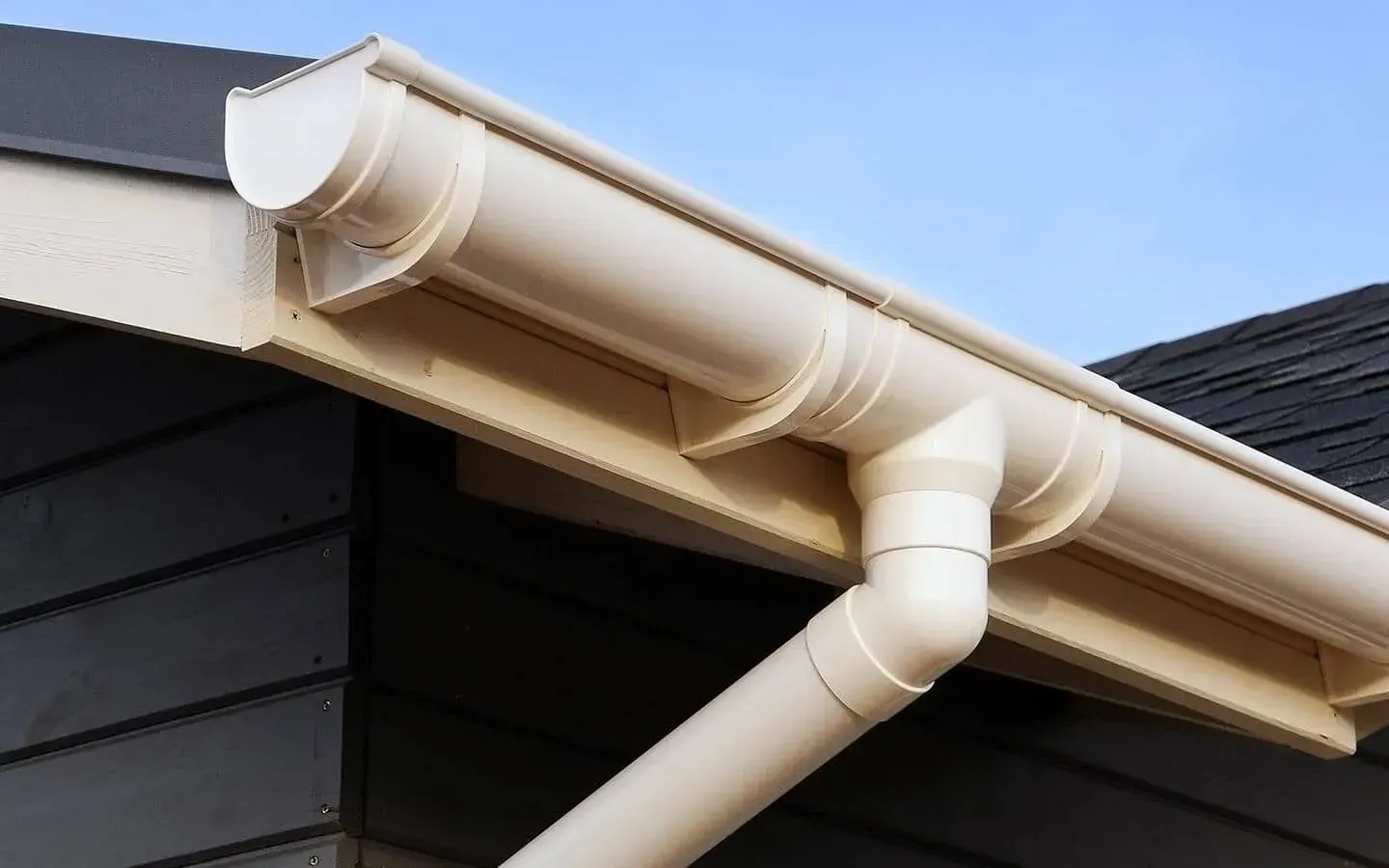
Step 6: Flush the Gutters
After cleaning your roof, debris and residue often collect in the guttering system. Use:
- A gutter scoop
- Gloves
- A hose to flush water through
Clear gutters ensure proper drainage and reduce the risk of leaks and overflow.
4. Cleaning the Exterior Walls After Roof Cleaning
Roof cleaning often sends dirty water, algae residue and cleaning solution down the exterior walls. This can leave streaks, marks or discolouration—especially on lighter coloured homes. A quick clean afterwards keeps your home looking fresh and prevents staining.
1. Rinse the Walls Immediately
Use a garden hose to wash down the walls from top to bottom. This stops dirt from drying and reduces any chemical residue if you used a cleaning solution on the roof.
3. Pressure Wash (Optional)
For homes with brick, concrete or hardy surfaces, light-pressure washing can quickly remove:
- Dirt streaks
- Mould or algae residue
- Dust pushed down from the roof
Use a wide spray fan and low pressure to avoid damaging paint or cladding.
4. Check Windows, Screens & Doors
Roof cleaning can splash debris onto:
- Flyscreens
- Window sills
- Sliding door tracks
- Glass panels
Wipe these areas clean with soapy water or a microfibre cloth.
Taking a few extra minutes to clean exterior walls ensures your entire home looks refreshed—not just the roof.
5. Should You Pressure Wash Roof Tiles?
Pressure washing is one of the most common ways to clean tiled roofs, but it isn’t always the best option.
Safe for pressure washing:
- Concrete roof tiles
- Ceramic tiles
- Modern tiles with strong protective coatings
Use extreme caution or avoid pressure washing:
- Terracotta tiles
- Older, brittle or weathered tiles
- Heritage roofs
Incorrect pressure washing can strip tile coatings, create leaks, or force water into the roof cavity. If in doubt, choose softwashing or hire a professional.
6. When to Hire a Professional
Cleaning a roof is physically demanding and involves working at heights. You should consider hiring a roofing or pressure-cleaning professional if:
- Your roof is steep or multi-storey
- Tiles are old, fragile, or already damaged
- You see large areas of lichen or mould
- You’re not comfortable climbing on the roof
- You want to avoid potential tile breakage
- You need gutters, roof valleys or flashing inspected at the same time
Professionals use the right equipment, safety gear, and cleaning methods to protect your roof and ensure a long-lasting result.
7. How Often Should You Clean Roof Tiles?
In most Australian climates, roof tiles should be cleaned every 2–3 years, but frequency can vary depending on:
- Surrounding trees
- Humidity and rainfall
- Coastal salt exposure
- Leaf litter
- Mould or lichen activity
Homes in coastal or heavily shaded areas may need yearly cleaning to stay in good condition.
8. Tips to Keep Your Roof Clean for Longer
- Trim overhanging branches
- Install gutter guards
- Ensure proper roof ventilation
- Remove leaf litter regularly
- Apply an anti-mould treatment if needed
- Avoid walking on tiles unnecessarily
Conclusion
Cleaning roof tiles is an important part of home maintenance, helping protect your property from damage, improve drainage and boost overall appearance. With the right techniques and safety precautions, you can clear dirt, algae, mould and lichen effectively—but fragile or steep roofs are always best left to a professional.
If you need professional help cleaning your roof, get in touch with Rapid Roof Services in Sydney.

Written by Ryan Wilson
With over 15 years of roofing experience, Ryan is committed to delivering high-quality results for every client. As the owner and director of Rapid Roof Services, he takes pride in honest advice, unbeatable workmanship and ensuring every roof is restored to the highest standard.