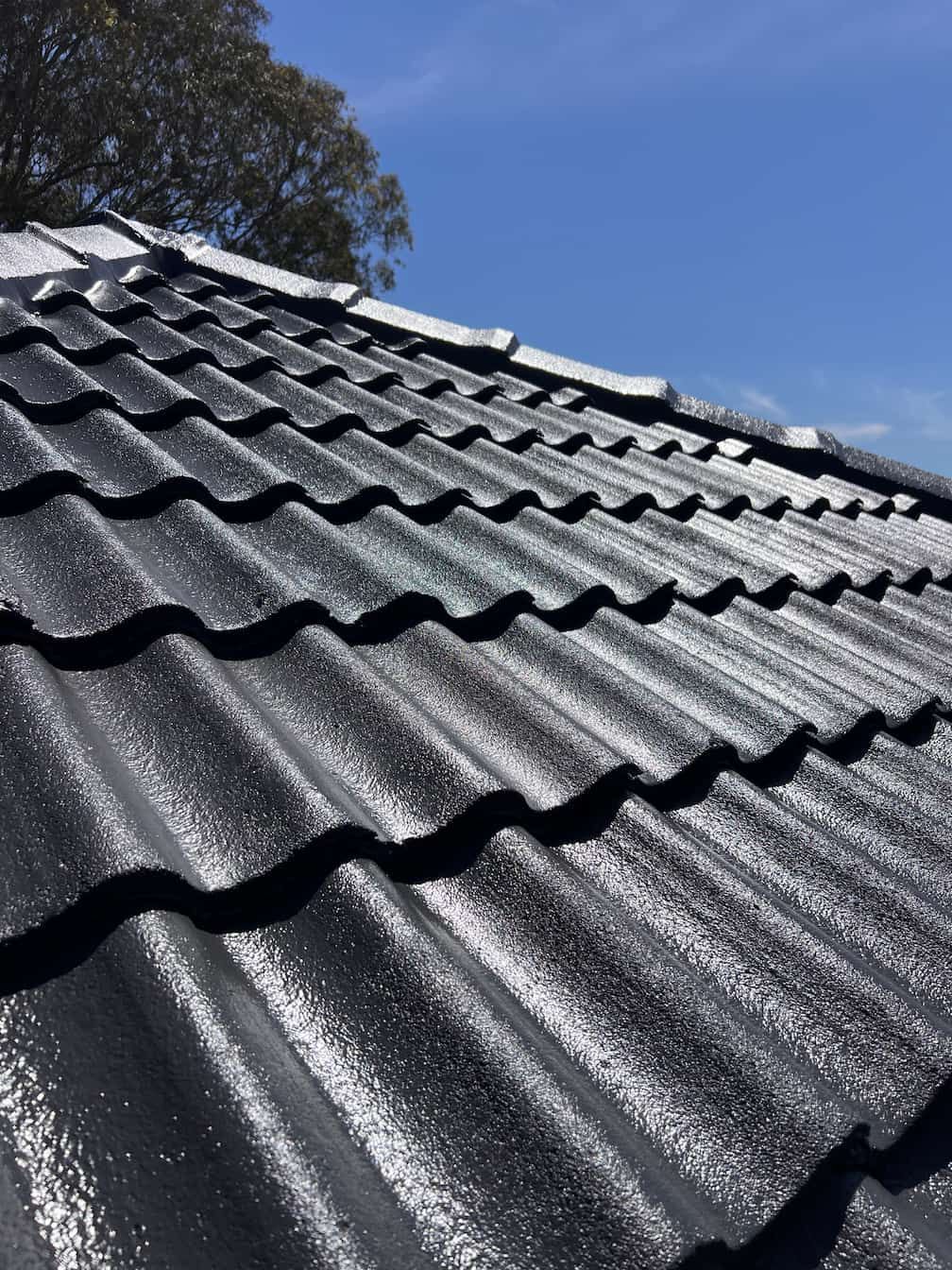

How To Replace A Roof Tile
A single cracked roof tile might not seem like a major problem, but it can quickly lead to roof leaks, water damage and costly repairs if it's left unattended. Your roof is designed to work as a complete system, and even one damaged tile can allow rainwater to find its way into your ceiling cavity.
Many homeowners notice a cracked tile and wonder whether they can simply replace it themselves or if they should call a professional roofer.
At Rapid Roof Services, we repair and replace damaged roof tiles across Sydney and the Southern Highlands every week. While replacing one tile may appear straightforward, we've seen plenty of DIY repairs that have caused more damage than the original problem. From cracked surrounding tiles to hidden roof leaks, there's often more to a broken tile than meets the eye.
In this guide, we'll explain how roof tiles are replaced, when DIY repairs may be possible, common mistakes to avoid, and when it's best to leave the job to experienced roofing professionals.
Why Replacing A Broken Roof Tile Is Important
Every roof tile plays an important role in protecting your home from the elements.
When one tile is cracked, chipped or missing, it creates a weak point that can allow water to enter beneath the roof surface. Even if you don't notice a leak straight away, moisture can slowly make its way into the roof cavity and cause damage over time.
A damaged roof tile can lead to:
- Roof leaks
- Water-stained ceilings
- Damp insulation
- Timber rot
- Mould growth
- Expensive internal repairs
One thing we've learnt from years of repairing roofs is that many leaks start with something as simple as a cracked tile. Addressing the problem early is almost always quicker and more affordable than waiting until water damage becomes visible inside the home.
What Causes Roof Tiles To Break?
Roof tiles are designed to withstand decades of harsh Australian weather, but they aren't indestructible.
Some of the most common causes include:
Storm Damage
Strong winds, hail and flying debris are among the leading causes of cracked or displaced roof tiles.
After severe weather, it's always worth having your roof inspected, even if you can't see obvious damage from the ground.
Falling Tree Branches
Overhanging branches can scrape roof tiles during windy conditions or fall directly onto the roof during storms.
This is particularly common on properties surrounded by mature trees.
Foot Traffic
Walking on a tiled roof incorrectly is one of the biggest causes of accidental damage.
We've repaired many roofs where tradespeople installing solar panels, antennas or air conditioning have unintentionally cracked multiple tiles simply by stepping in the wrong place.
Age And Weathering
Over time, roof tiles naturally become more brittle.
Years of exposure to UV radiation, rain and changing temperatures can weaken older tiles, making them more susceptible to cracking.
Can You Replace A Roof Tile Yourself?
Technically, replacing a single roof tile is possible if you have the correct tools, experience and safety equipment.
However, for most homeowners, we don't recommend attempting roof repairs yourself.
Working at heights comes with obvious risks, and tiled roofs can be surprisingly slippery, particularly if there's moss, lichen or morning dew.
We've also seen many DIY repairs where replacing one broken tile resulted in several more being cracked during the process.
In many cases, the cost of repairing the additional damage ends up being more than the original repair would have been.
Tools You'll Need
If you're replacing a roof tile yourself, you'll typically require:
- A matching replacement tile
- Stable extension ladder
- Roof safety equipment
- Gloves
- Safety glasses
- Tile lifting tool or flat pry bar
- Soft-soled shoes
Finding the correct replacement tile is important. Even tiles that appear identical can vary in profile, thickness and size, preventing them from fitting correctly and potentially allowing water to enter the roof.
How To Replace A Roof Tile
Step 1: Inspect The Roof
Before replacing the tile, inspect the surrounding area.
Look for:
- Other cracked tiles
- Loose ridge capping
- Damaged flashing
- Signs of water entry
- Moss or debris build-up
Sometimes what appears to be one damaged tile is actually part of a larger roofing issue.
Step 2: Access The Roof Safely
Use a secure ladder on stable ground and ensure you're wearing appropriate safety equipment.
Avoid working on the roof if it's:
- Wet
- Windy
- Extremely hot
If you're uncomfortable working at heights, it's always safer to contact a professional roofer.
Step 3: Lift The Tile Above
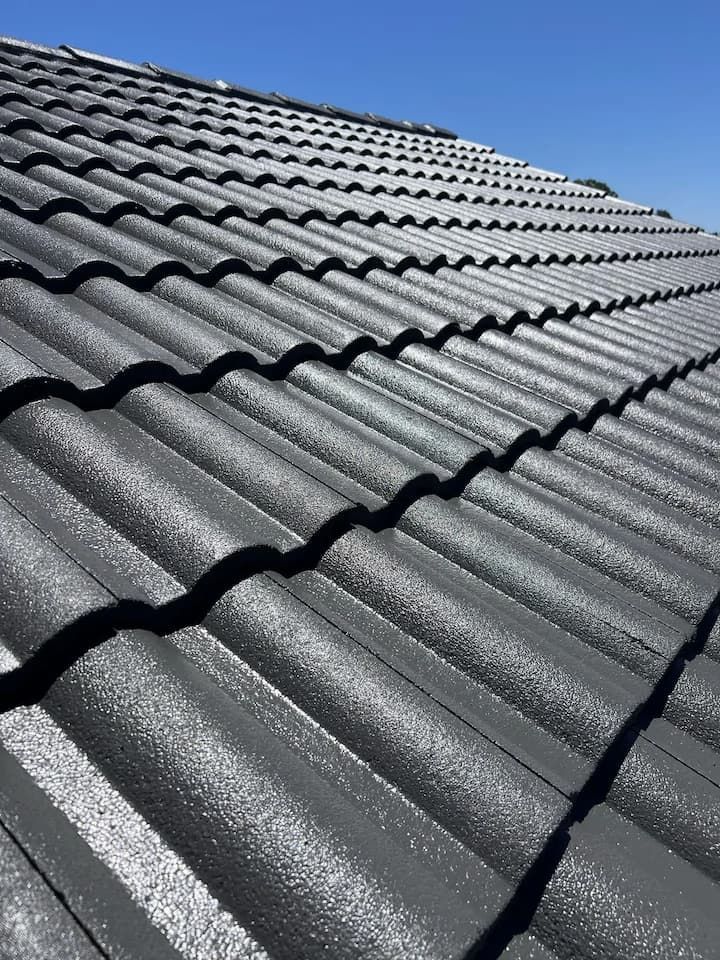
Most concrete roof tiles overlap one another.
Carefully lift the tile directly above the damaged one using a tile lifting tool or flat pry bar.
Take your time to avoid placing pressure on nearby tiles.
Step 4: Remove The Broken Tile
Once the upper tile has been lifted, gently slide the damaged tile out.
Some roofs use clips or nails to secure tiles, so these may need to be released first.
Avoid forcing the tile, as this can crack surrounding tiles.
Step 5: Fit The Replacement Tile
Slide the new tile into the same position as the old one.
Check that it:
- Sits flat
- Locks into place correctly
- Matches the surrounding tiles
- Doesn't rock or shift
If clips were removed, reinstall them according to the manufacturer's recommendations.
Step 6: Lower The Overlapping Tile
Carefully lower the tile above back into place.
Ensure the tiles overlap correctly to maintain the roof's weatherproof barrier.
Step 7: Perform A Final Inspection
Before leaving the roof, inspect the repaired area carefully.
Look for:
- Cracked surrounding tiles
- Loose tiles
- Gaps
- Any signs of further damage
A thorough inspection helps ensure the repair has been completed properly.
Common Mistakes We See
After repairing roofs across Sydney and the Southern Highlands for many years, we've seen a lot of DIY repairs that unfortunately made the situation worse.
Cracking Additional Tiles
One of the most common problems is stepping on unsupported sections of the roof.
Tiles are designed to distribute weight in specific areas, and walking incorrectly can easily crack several surrounding tiles.
Using The Wrong Replacement Tile
Roof tiles come in many different profiles.
Even if two tiles look similar, slight differences can prevent them from sealing correctly and may allow water into the roof.
Missing Hidden Problems
Sometimes the broken tile isn't actually the cause of the leak.
We regularly find issues such as:
- Damaged flashing
- Failed pointing
- Loose ridge capping
- Valley deterioration
Simply replacing the tile won't fix these underlying problems.
Ignoring Safety
Roof work should never be underestimated.
Falls from roofs remain one of the leading causes of serious injuries during DIY home maintenance.
No repair is worth risking your safety.
How Sydney's Weather Affects Roof Tiles
Sydney's climate puts roofs under constant pressure throughout the year.
Heavy Rain
Intense rainfall quickly exposes damaged roof tiles.
A small crack that goes unnoticed during dry weather can suddenly become a major leak during a storm.
Strong Winds
Strong winds can shift loose tiles and place extra pressure on ageing ridge capping.
Regular roof inspections after major storms help identify damage before leaks develop.
Harsh UV Exposure
Australia's intense sunshine gradually weakens roof coatings and contributes to tile ageing.
Older tiles often become more brittle over time, making them more susceptible to cracking.
Roof Tile Repairs In The Southern Highlands
Homes throughout the Southern Highlands face slightly different challenges.
Cooler temperatures, higher rainfall and frequent fog create ideal conditions for:
- Moss growth
- Lichen
- Damp roof surfaces
These conditions can make tiled roofs slippery and accelerate the deterioration of older roof coatings.
Regular roof cleaning and inspections are especially important for properties in the Highlands to prevent moisture-related issues and extend the life of the roof.
How To Prevent Roof Tile Damage
While some damage is unavoidable, regular maintenance can greatly reduce the risk of unexpected repairs.
We recommend:
- Inspecting your roof annually
- Checking the roof after major storms
- Replacing cracked tiles promptly
- Keeping gutters clear
- Removing moss and lichen
- Trimming overhanging branches
Small maintenance jobs often prevent much larger repair bills later on.
When One Broken Tile Indicates A Bigger Problem
Replacing a single roof tile is often all that's required.
However, if your roof has:
- Numerous broken tiles
- Loose ridge capping
- Frequent leaks
- Worn protective coatings
- Cracked pointing
It may be more cost-effective to consider a complete roof restoration rather than continuing with ongoing repairs.
A professional inspection can help determine the best long-term solution.
Why Professional Roof Repairs Are Worth It
Although replacing a roof tile may seem straightforward, experienced roofers do much more than simply swap one tile for another.
At Rapid Roof Services, every repair includes a careful inspection of the surrounding roof.
We look for:
- Hidden leaks
- Additional cracked tiles
- Deteriorating ridge capping
- Flashing issues
- Early signs of future problems
This proactive approach helps prevent further damage and ensures your roof continues performing as it should.
It's one of the reasons many homeowners choose professional repairs over DIY fixes.
Trust Rapid Roof Services For Expert Roof Tile Repairs
A broken roof tile might appear minor, but it's often the first sign that your roof needs attention. Replacing damaged tiles promptly can help prevent leaks, protect your home and avoid far more expensive repairs down the track.
At Rapid Roof Services, we provide professional roof tile repairs throughout Sydney and the Southern Highlands. Whether your roof has suffered storm damage, ageing tiles or an unexpected leak, our experienced team can quickly identify the problem and recommend the most effective solution.
If you've noticed cracked, loose or missing roof tiles, don't wait until the next heavy downpour. Contact Rapid Roof Services today for an expert roof inspection and reliable repairs that will keep your home protected for years to come.

Written by Ryan Wilson
With over 15 years of roofing experience, Ryan is committed to delivering high-quality results for every client. As the owner and director of Rapid Roof Services, he takes pride in honest advice, unbeatable workmanship and ensuring every roof is restored to the highest standard.