
What Roof Type Is Best For Sydney? Tiled Or Metal?
One of the biggest decisions when building, renovating or replacing a roof is whether to choose roof tiles or metal roofing. Both can perform extremely well in Sydney, but neither is automatically the best option for every property.
The right choice depends on your home’s design, location, roof pitch, existing structure, budget and how much maintenance you are willing to undertake. A concrete tiled roof in Western Sydney may face different conditions from a Colorbond roof near the coast or a terracotta roof in the Southern Highlands.
At Rapid Roof Services, we have spent years repairing, restoring, painting and inspecting tiled and metal roofs across Sydney and the Southern Highlands. We have seen decades-old roofs that remain in excellent condition, as well as relatively new roofs experiencing problems because they were poorly installed or the wrong materials were used.
Based on our experience, both tiled and metal roofs are excellent options when the system is properly designed, installed and maintained. This guide compares the two to help you decide which is best for your Sydney property.
What Are The Main Roofing Options In Sydney?
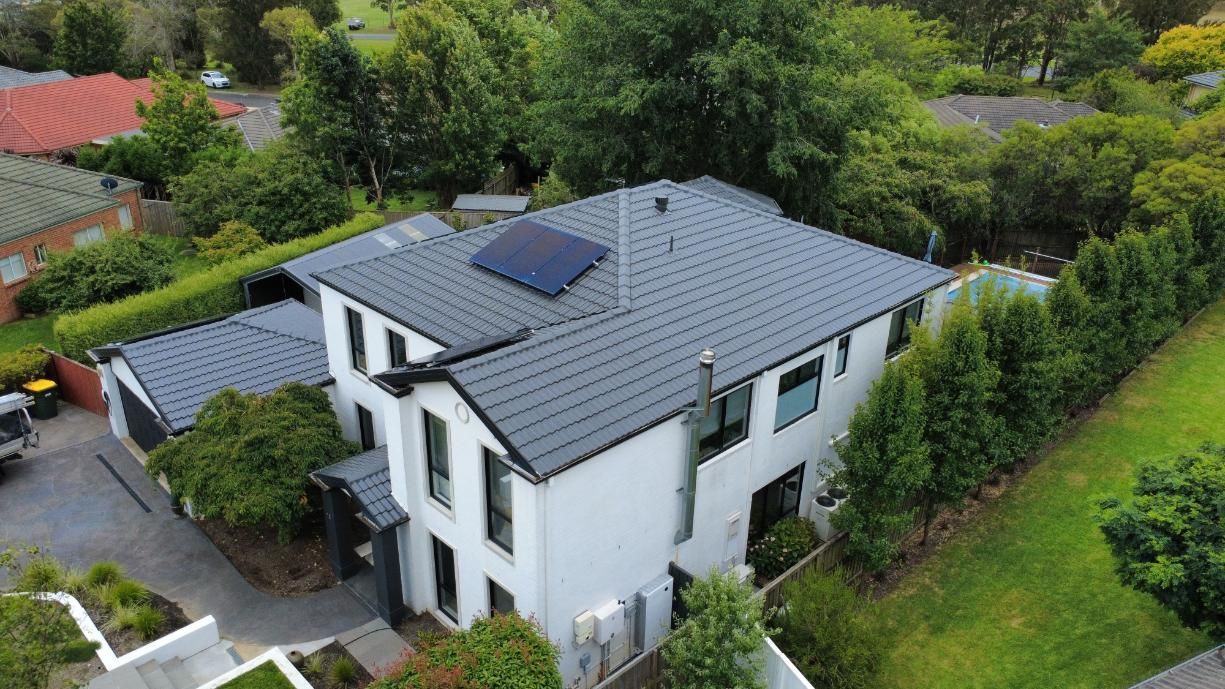
The majority of pitched residential roofs across Sydney fall into two categories: tiled roofs and metal roofs.
Tiled roofing generally includes:
- Concrete roof tiles
- Terracotta roof tiles
Metal roofing generally includes:
- Colorbond steel
- Corrugated metal roofing
- Other coated steel roofing profiles
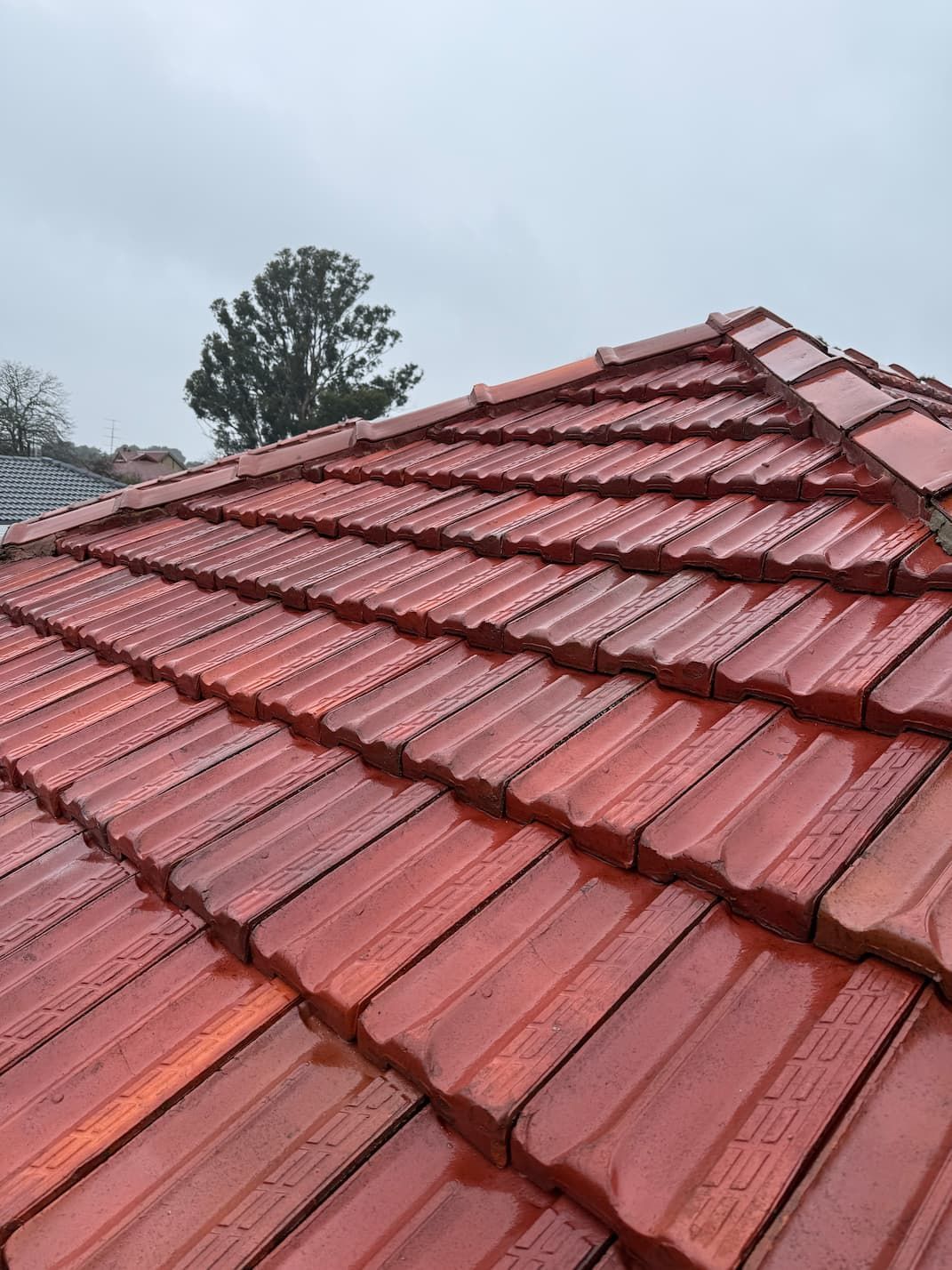
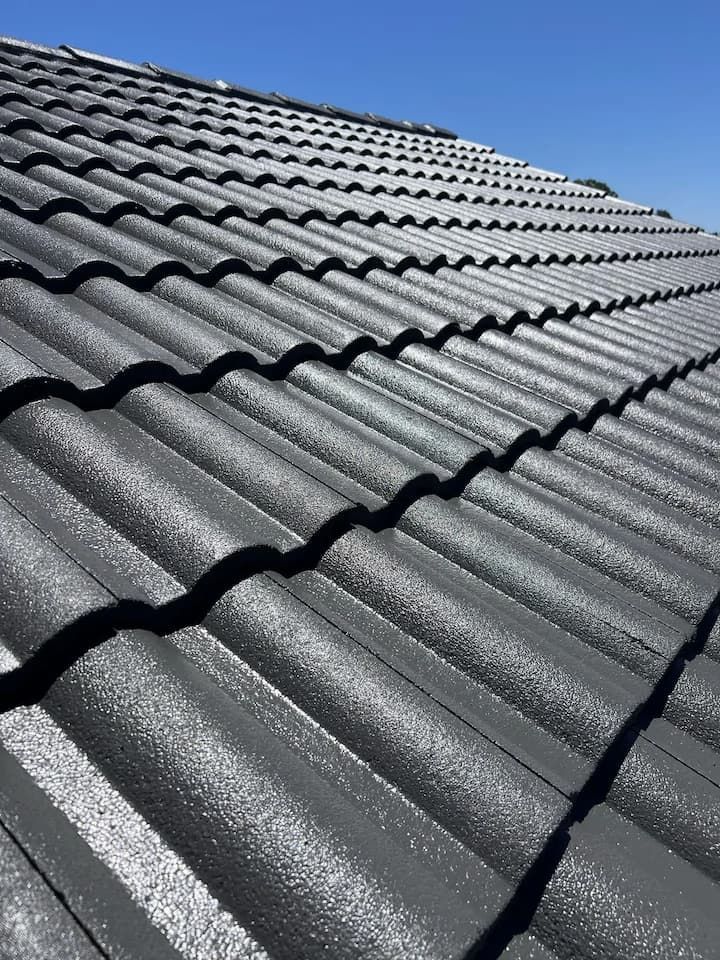
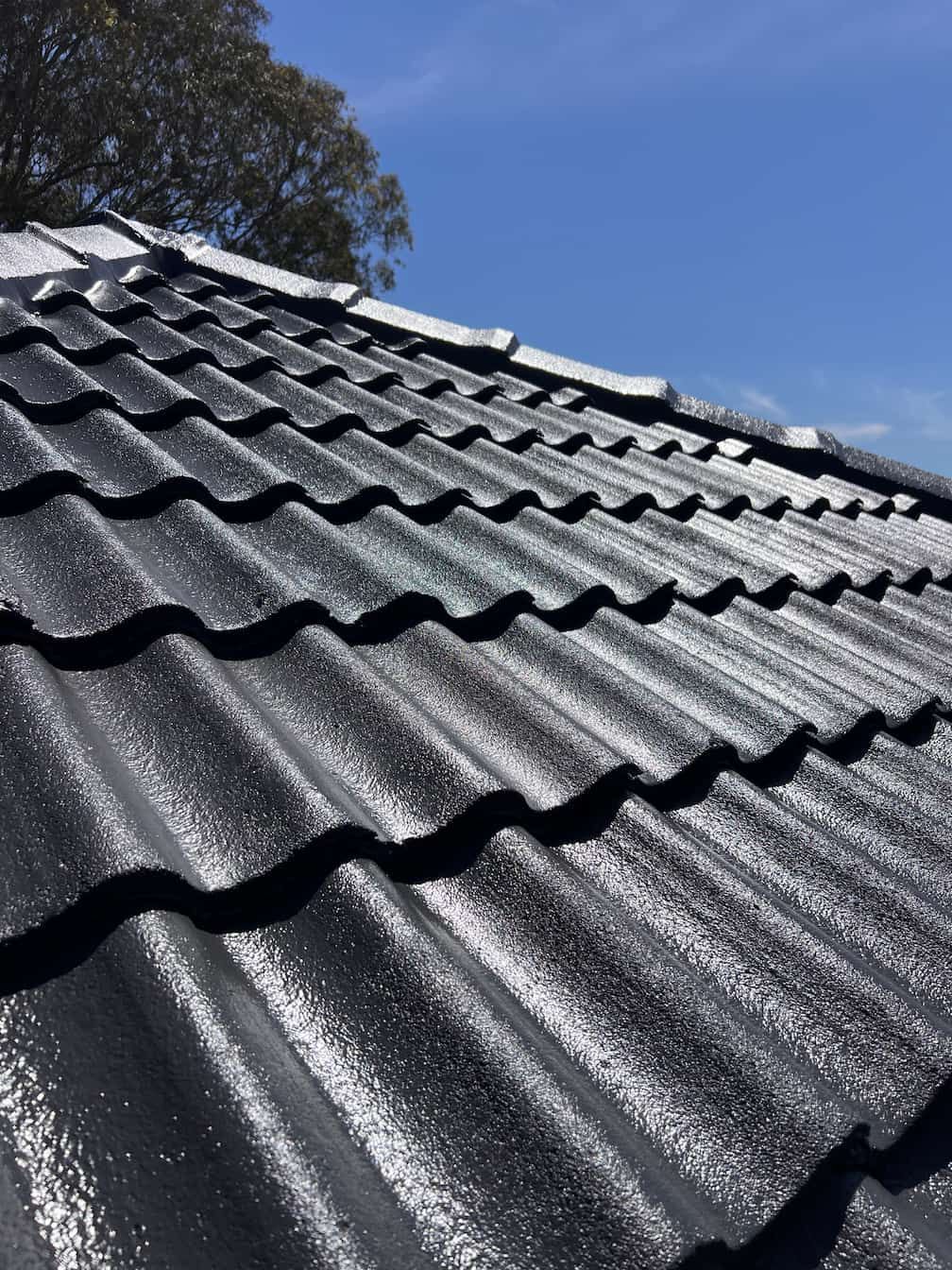
Concrete tiles are commonly found throughout established Sydney suburbs. They are strong, widely available and can usually be cleaned, repaired, sealed and painted when their original finish begins wearing away.
Terracotta tiles are made from fired clay. They retain their natural colour well and can last for decades, although different terracotta surfaces require different maintenance methods.
Colorbond roofing is manufactured from coated steel and is popular for new homes, extensions, renovations and complete roof replacements. It is lightweight and available in a wide range of familiar Australian colours.
Which Roof Type Is Best For Sydney?
There is no single roof material that is best for every home in Sydney.
Metal roofing may be the better choice when you want a lightweight, modern roof capable of covering lower roof pitches and complicated designs. Tiles may be preferable when you want a traditional appearance, good acoustic performance and the ability to replace individual damaged sections.
The installation is just as important as the material itself.
We regularly find problems caused by poor workmanship rather than a defective tile or metal sheet. A premium roof product can still leak if flashings are incorrectly installed, valleys are poorly finished or penetrations are carelessly sealed.
Before recommending a particular option, we consider:
- The existing roof structure
- Roof pitch and shape
- The home’s architectural style
- Proximity to the coast
- Surrounding trees and vegetation
- Exposure to wind and storms
- Insulation and ventilation
- Future solar panel installation
- Maintenance requirements
- The homeowner’s budget
The Benefits Of Tiled Roofs
Tiled roofs have protected Sydney homes for generations. Concrete and terracotta tiles are durable, attractive and well suited to many traditional and contemporary properties.
Individual Tiles Can Be Replaced
One of the practical advantages of a tiled roof is that individual broken tiles can usually be replaced without removing a large section of roofing.
Storms, falling branches, tradespeople and general movement can crack individual tiles. If matching replacements are available, these localised issues can often be repaired relatively efficiently.
However, replacement tiles must sit correctly within the existing roof. We sometimes find tiles that look similar from the ground but have a different profile and do not interlock properly. Forcing an incorrect tile into place can create gaps and allow wind-driven rain into the roof.
Good Sound Insulation
Roof tiles have significant mass, which helps reduce external noise. During heavy Sydney rain or hail, a tiled roof will generally sound quieter than uninsulated metal roofing.
The actual noise level inside the home will also depend on the ceiling insulation, roof space, sarking and overall building construction.
Traditional Appearance
Tiled roofing suits many established Sydney homes, including Federation-inspired houses, suburban brick homes and Mediterranean-style properties.
Tiles are available in a wide range of profiles, colours and finishes. In many cases, restoring an existing tiled roof can retain the home’s original character while improving its presentation.
Restoration Potential
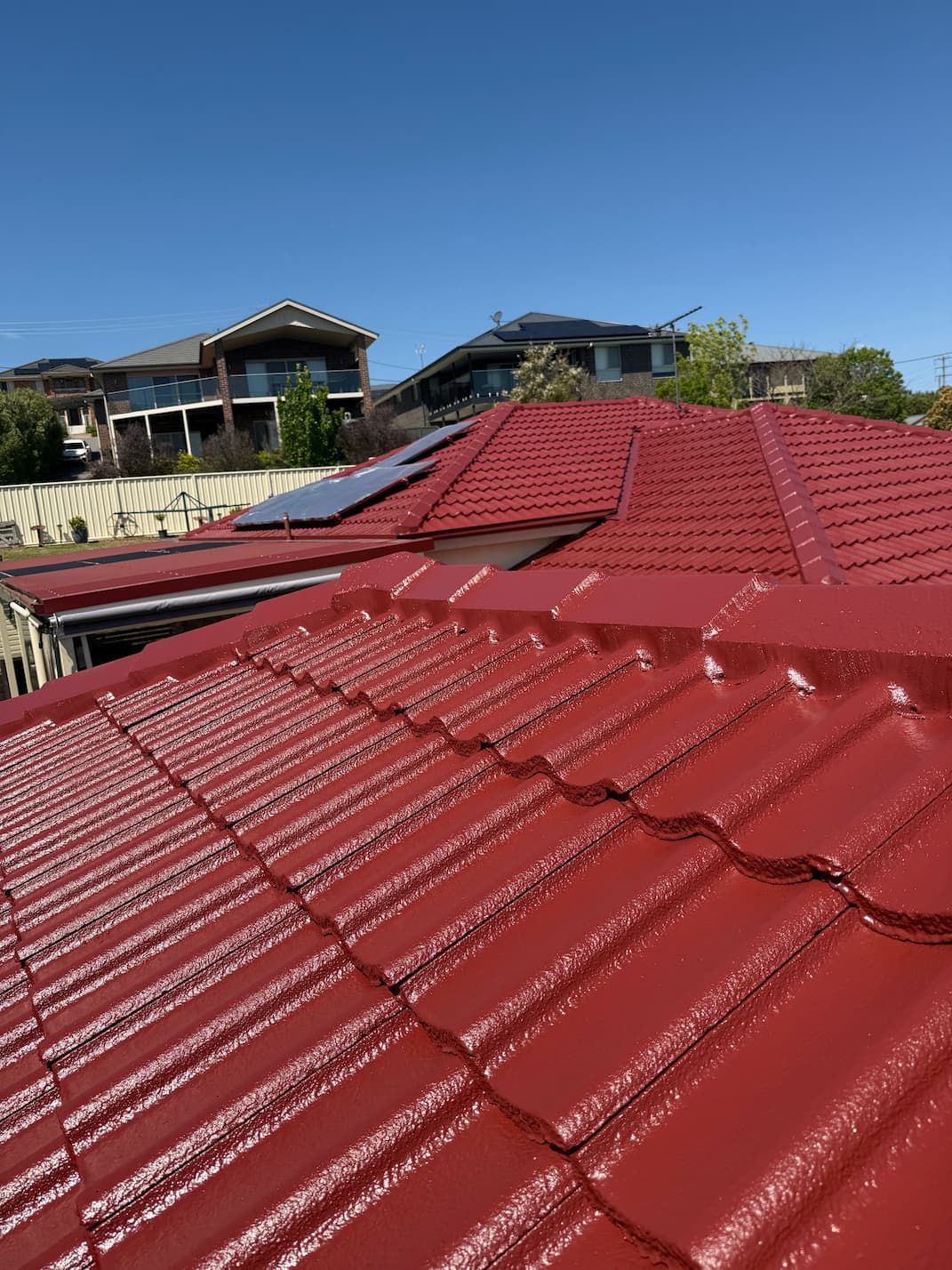
A weathered concrete tiled roof does not always need to be replaced. If the tiles and overall structure remain in serviceable condition, the roof may be suitable for restoration.
A professional tiled roof restoration can include:
- Replacing broken tiles
- Repairing leaks
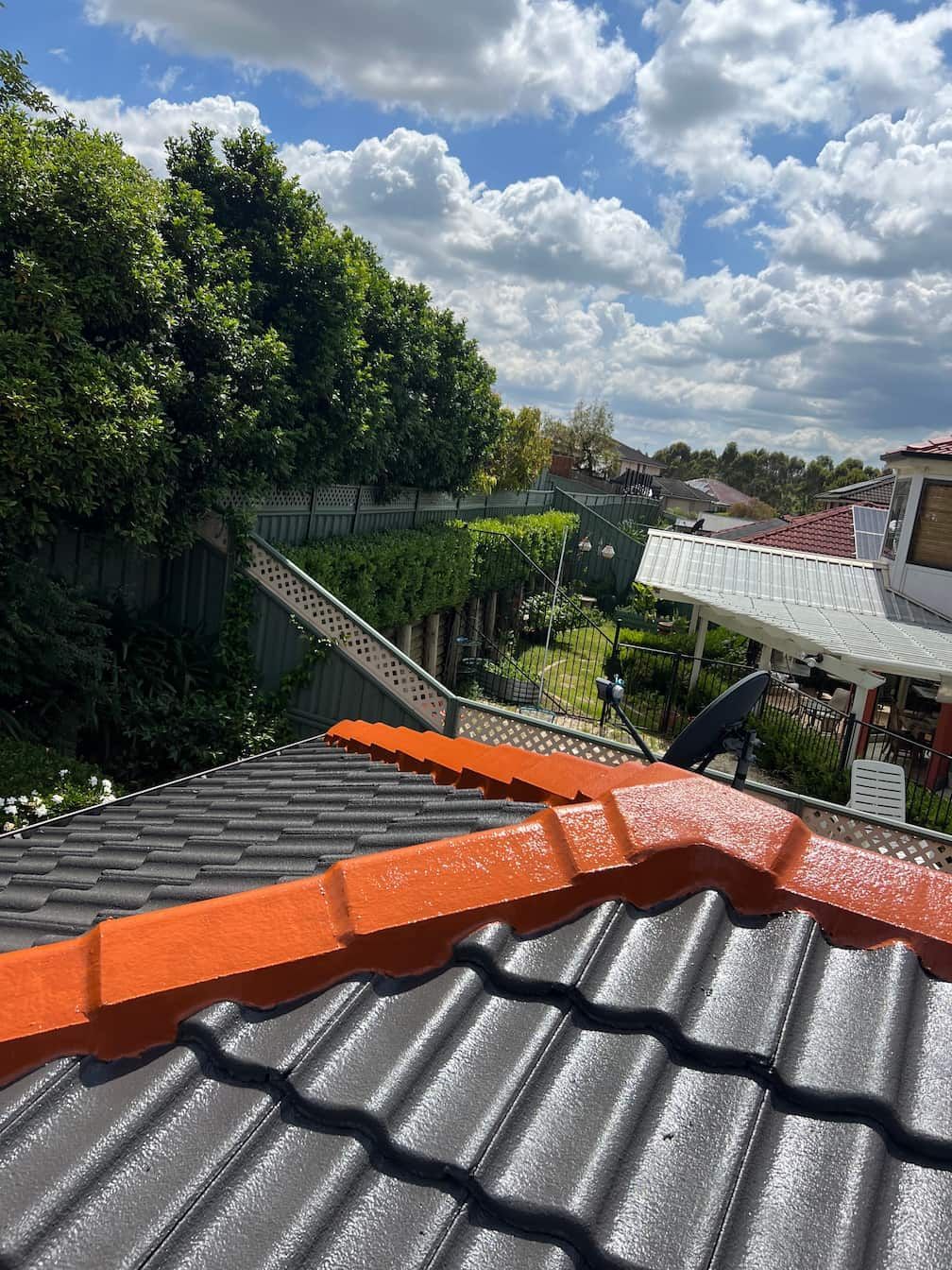
- Rebedding ridge caps where necessary
- Repointing ridge capping
- Pressure cleaning
- Applying the correct primer or sealer
- Applying protective roof membrane coatings
At Rapid Roof Services, we use industry-leading coating systems backed by warranties of up to 15–20 years. However, coating a tiled roof should never be used to hide unrepaired damage. Painting over cracked pointing, loose ridge caps or broken tiles may improve the colour, but it does not solve the underlying problem.
The Disadvantages Of Tiled Roofs
Although tiles can provide excellent long-term performance, they also have limitations.
Tiles Are Heavy
Concrete and terracotta tiles are considerably heavier than steel roofing. The roof structure needs to be designed or assessed to carry that weight.
This becomes particularly important when changing from a lightweight metal roof to tiles. The existing frame may require engineering and structural upgrades.
Tiles Can Crack
Tiles may crack due to impact, movement or incorrect foot traffic. We often find broken tiles after other trades have worked on the roof to install solar panels, antennas, air conditioning or electrical equipment.
Walking on a tiled roof requires an understanding of where to place weight. Careless access can break tiles without the damage being immediately visible from the ground.
Ridge Capping Requires Maintenance
Tiled roofs commonly have bedding and pointing securing the ridge caps. Over time, these materials can crack, separate or deteriorate.
Loose or damaged ridge capping can allow water entry and may become unstable during strong weather. Depending on its condition, the ridge capping may need to be repointed or completely lifted and rebedded.
Applying paint directly over failed pointing is not an acceptable repair.
Concrete Tiles Can Fade
The surface finish on concrete roof tiles can wear and fade after years of exposure to sunlight and rain. Older tiles can also become porous and accumulate dirt, moss or lichen.
If the underlying tiles remain sound, cleaning and recoating may be a cost-effective alternative to replacing the entire roof.
The Benefits Of Metal Roofing
Modern metal roofing, particularly Colorbond steel, is increasingly popular throughout Sydney. It provides a clean appearance and can suit everything from new architectural homes to traditional properties undergoing renovation.
Metal Roofing Is Lightweight
Steel roofing places less weight on the supporting structure than concrete or terracotta tiles. This can make it suitable for extensions, re-roofing projects and buildings where structural weight is an important consideration.
The lighter weight does not mean it should be installed without proper planning. The roof sheets still need to be securely fixed and designed for the property’s wind exposure.
Suitable For Lower Roof Pitches
Metal roof sheets can be used on lower pitches than many tiled roofing systems, provided the selected profile is installed according to its requirements.
This makes metal roofing useful for patios, extensions and modern homes with low-pitched rooflines.
Roof pitch is critical. Water must drain efficiently without being pushed back beneath laps or flashings. We have repaired low-pitched metal roofs where unsuitable detailing or poor installation allowed water to enter during heavy rain.
Fewer Individual Pieces
A metal roof uses long sheets rather than hundreds or thousands of individual tiles. This reduces the number of joins across the main roof surface.
However, areas around flashings, valleys, screws and roof penetrations still require careful installation. Metal roofing is not automatically leakproof simply because it has fewer pieces.
Modern Colours And Appearance
Colorbond roofing is available in a large range of colours that suit contemporary Australian homes. It can create a streamlined appearance and work well with modern gutters, fascias and wall cladding.
Lighter colours may absorb less heat than darker colours, although overall indoor comfort also depends on insulation, ventilation, roof design and the orientation of the home.
Rainwater Collection
Metal roofing has a relatively smooth surface that allows water to run efficiently towards the gutters. It is often selected for homes that collect rainwater, subject to appropriate products, filtration and maintenance.
Tiles can also be used for rainwater collection, but their textured surfaces may retain more dust, organic material and debris.
The Disadvantages Of Metal Roofing
Metal roofs are durable, but they still require correct installation and maintenance.
Rain Can Be Louder
Heavy rain and hail may sound louder on a metal roof, particularly where insulation and roof-space sound control are limited.
A properly insulated home can significantly reduce this noise. When comparing roofing materials, it is important to consider the complete roof and ceiling system rather than the external material alone.
Poor Installation Can Cause Significant Problems
Metal roofing relies on correct sheet alignment, overlaps, fasteners, flashings and penetrations. Small installation errors can cause leaks that are difficult to locate.
Some of the poor work we encounter includes:
- Screws driven in too tightly or left too loose
- Fasteners installed at incorrect angles
- Perished or damaged screw washers
- Poorly cut sheets
- Inadequate sheet overlaps
- Incorrectly installed flashings
- Excessive reliance on silicone
- Metal swarf left on the roof
- Unsealed or badly positioned penetrations
- Different metals installed together without considering corrosion
Silicone has its place, but it should not be used to disguise badly formed flashing or incorrect sheet installation. Large amounts of sealant often indicate that the installer was trying to stop water after the roof had already been assembled incorrectly.
Corrosion Can Develop
Modern coated steel is designed to resist corrosion, but damage to the protective coating can expose the metal beneath.
Coastal properties may face increased exposure to salt-laden air. Leaves, dirt and moisture trapped against the roof can also contribute to deterioration, particularly around gutters, valleys and roof penetrations.
Different metals can react when placed together, making compatible flashings, fasteners and accessories essential.
Repairs May Involve Larger Sections
Although isolated metal roof damage can sometimes be repaired, replacing a damaged sheet is usually more involved than swapping one cracked tile. The sheet may extend from the ridge to the gutter and pass beneath flashings or adjoining components.
Poorly planned patch repairs can introduce new joins and potential entry points for water.
Which Roof Is Better In Sydney’s Heat?
The roof’s colour, insulation and ventilation can influence heat performance as much as the roofing material.
Metal heats quickly but can also release heat relatively quickly once the sun goes down. Tiles have greater thermal mass, meaning they absorb and release heat more slowly.
However, neither material guarantees a cool home on its own.
Factors influencing indoor temperature include:
- Roof colour
- Ceiling insulation
- Sarking
- Roof ventilation
- Ceiling height
- Window placement
- Shade
- Air leakage
- Building orientation
A light-coloured roof combined with effective ceiling insulation and appropriate ventilation can perform very differently from a dark roof with limited insulation.
When restoring a roof, choosing a lighter or heat-reflective coating may help reduce heat absorption. However, homeowners should be cautious of anyone promising that roof paint alone will dramatically cool the entire house or eliminate the need for air conditioning.
Which Roof Is Better During Storms?
Both tiled and metal roofing can perform well during Sydney storms when installed and maintained correctly.
Tiles may be cracked or displaced by impact, falling branches or severe wind. Metal sheets may be dented by hail or affected if fasteners and edge details are inadequate.
After storm events, we commonly inspect:
- Cracked and displaced tiles
- Damaged ridge capping
- Dented metal sheets
- Loose fasteners
- Damaged flashings
- Blocked valleys
- Debris accumulation
- Water entry around penetrations
The best protection is not simply choosing one material over another. It is making sure the entire roof system remains in good condition before severe weather arrives.
Small defects can become major leaks when exposed to wind-driven rain.
Which Roof Is Easier To Repair And Restore?
Tiled roofs often offer more flexibility for localised repairs because individual tiles can be replaced. Concrete tiled roofs can also be excellent candidates for complete restoration when their surface has faded but the tiles remain structurally sound.
Metal roofs can also be repaired and recoated, depending on their condition. A typical metal roof restoration may involve:
- Replacing deteriorated screws
- Treating surface rust
- Repairing or replacing flashings
- Cleaning the roof
- Applying a suitable metal primer
- Applying compatible protective coatings
The existing roof must always be assessed first. Severe corrosion, widespread damage or structural problems may make replacement more practical than restoration.
We regularly see roofs that have been painted even though replacement or substantial repairs should have been recommended. A new coating can make a roof look impressive in photographs, but it cannot restore the strength of severely corroded metal or badly deteriorated tiles.
Are Tiles Or Metal More Expensive?
The cost difference depends on the roof design, selected product, access and amount of structural work required.
Tiles may be economical on homes already designed for tiled roofing, particularly when serviceable tiles can be retained and restored. Metal roofing may reduce structural weight but can require extensive labour around complicated flashings, valleys and penetrations.
When comparing quotes, make sure they include the same scope. A lower price may exclude:
- Replacement of damaged materials
- Repointing or rebedding
- Rust treatment
- New flashings
- Insulation or sarking
- Removal and disposal
- Edge protection
- Suitable primers and coatings
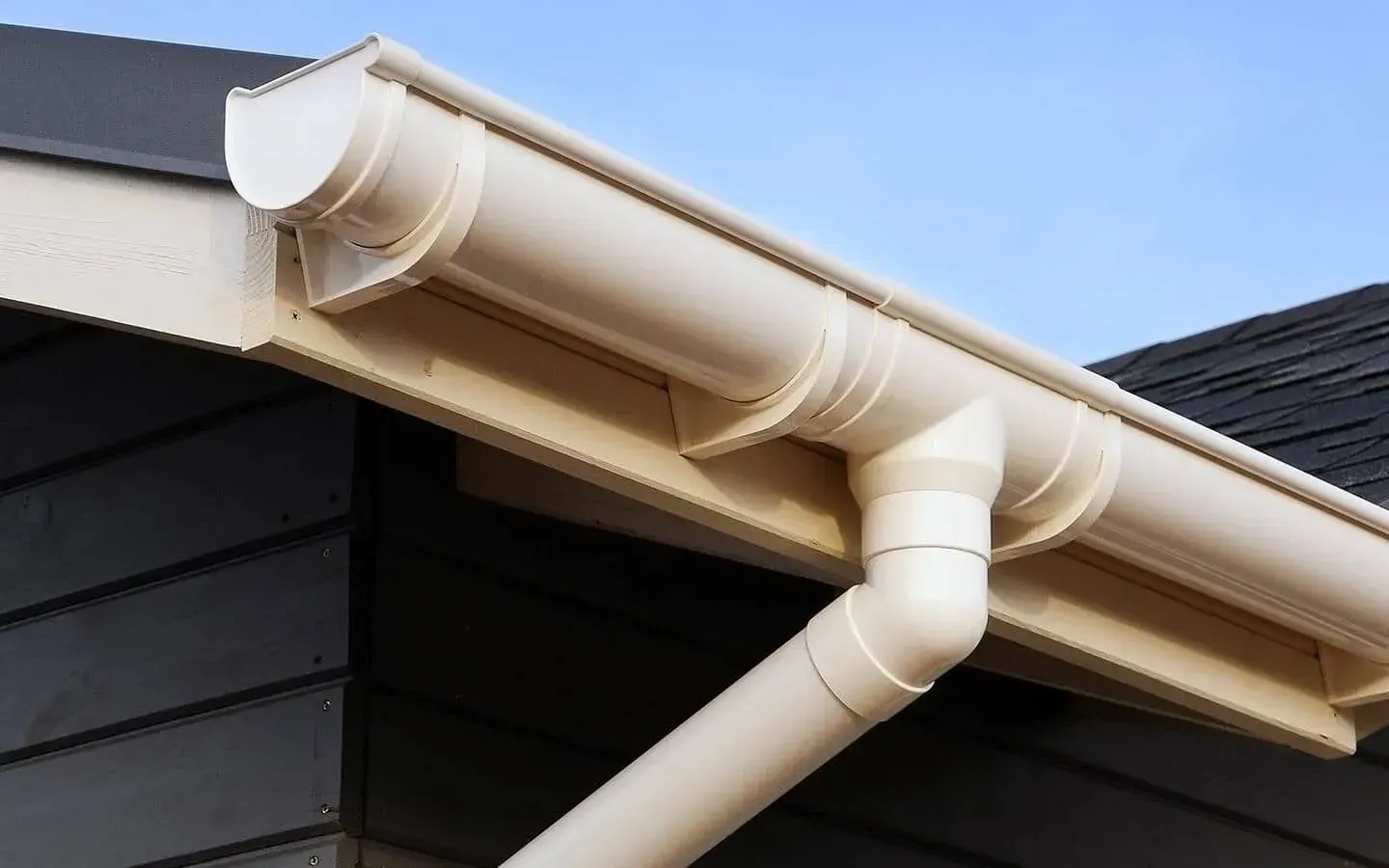
- Gutter or fascia work
The cheapest initial option is not always the most affordable over the life of the roof.
Should You Replace Tiles With Colorbond?
Replacing a tiled roof with Colorbond can be a good option when the existing roof is beyond economical restoration or the homeowner wants a lighter, more modern roofing system.
However, a tile-to-metal conversion involves much more than removing tiles and installing sheets.
The structure, battens, roof pitch, insulation, sarking, flashings, gutters and ventilation must all be considered. The work should be properly designed and completed by licensed professionals.
If the existing tiled roof is still structurally sound, restoration may provide many additional years of service at a lower cost than complete replacement.
We recommend comparing the real condition of the roof and the complete scope of both options before making a decision.
Tiled Or Metal: Our Verdict
For many established Sydney homes, retaining and restoring a sound tiled roof is the most practical and cost-effective option. There is little reason to replace an entire roof purely because its tiles look faded or the ridge capping requires attention.
Metal roofing is an excellent option for new homes, extensions, low-pitched roofs and complete roof replacements. It is lightweight, versatile and offers a modern appearance, but the quality of installation is critical.
Our general advice is:
- Choose tiles for traditional appearance, good acoustic performance and straightforward individual tile replacement.
- Choose metal for lighter weight, lower roof pitches, modern styling and efficient water runoff.
- Restore your existing roof if it remains sound and the problems are repairable.
- Replace the roof when deterioration is too widespread for restoration to provide worthwhile value.
- Prioritise experienced workmanship over choosing a material based on appearance alone.
Tiled And Metal Roofing Specialists In Sydney
At Rapid Roof Services, we repair, restore, clean and paint tiled and metal roofs throughout Sydney and the Southern Highlands.
With more than 30 years of combined roofing experience, we understand how different materials perform across Sydney’s changing conditions. We also know how to identify the difference between a roof that needs some targeted repairs, one that is suitable for restoration and one that should be replaced.
Our quotes are fully itemised, so you can see exactly what work is recommended without being pressured into services you do not need.
If you are deciding between tiled and metal roofing or want to know whether your existing roof can be restored, contact Rapid Roof Services for an inspection and free quote.

Written by Ryan Wilson
With over 15 years of roofing experience, Ryan is committed to delivering high-quality results for every client. As the owner and director of Rapid Roof Services, he takes pride in honest advice, unbeatable workmanship and ensuring every roof is restored to the highest standard.