
What Is Roof Repointing & Rebedding?
If you have a tiled roof, there is a good chance you have heard the terms roof repointing and rebedding before. While they might sound technical, they are both very important parts of keeping your roof secure, weatherproof, and looking its best. Over time, the mortar and pointing that hold your ridge caps in place can crack, loosen, or deteriorate, leaving your roof vulnerable to leaks, movement, and storm damage.
Roof repointing and rebedding are two of the most common maintenance and repair services for tiled roofs in Australia. They help restore the structural integrity of your roof and extend its lifespan without the cost of a full roof replacement.
In this guide, we’ll explain what roof repointing and rebedding are, how they differ, when they are needed, and why they are such an important part of roof maintenance.
What Is Roof Repointing?
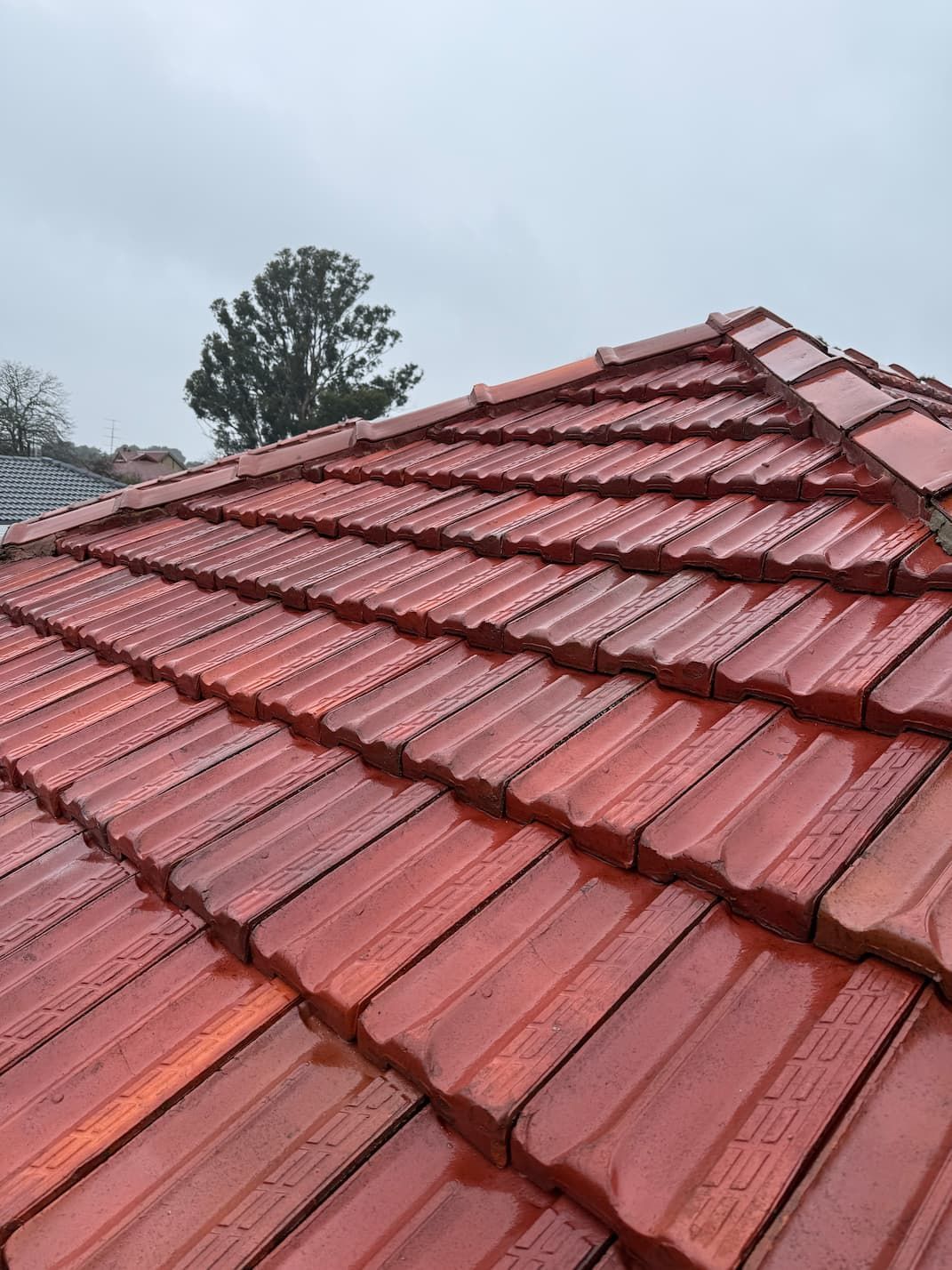
Roof repointing is the process of repairing or replacing the pointing on the ridge caps of a tiled roof. Pointing is the visible outer layer of flexible compound or mortar that seals the edges of the ridge caps and helps keep them secure.
The ridge caps are the tiles that sit along the highest points of your roof, such as the ridge line and hips. Because they are exposed to the harshest weather conditions, the pointing around them can wear down over time.
Roof repointing helps to:
- Secure loose ridge caps
- Seal gaps where water could enter
- Improve the roof’s resistance to wind and weather
- Restore the appearance of the roof
- Extend the life of the tiled roof system
Modern roof repointing usually involves a flexible pointing compound rather than the older, more brittle mortar-only methods. This helps the roof handle movement and temperature changes more effectively.
What Is Roof Rebedding?
Roof rebedding is the process of replacing or repairing the bedding mortar underneath the ridge caps. The bedding is the base layer of mortar that physically holds the ridge caps in position on the roof.
Think of it like this:
- Bedding is the structural base
- Pointing is the protective outer seal
If the bedding mortar has cracked badly, crumbled away, or loosened over time, the ridge caps may no longer be properly supported. In that case, simply repointing the roof is not enough. The ridge caps may need to be lifted, re-bedded, and then repointed to restore the roof properly.
Roof rebedding is usually needed when:
- Ridge caps are loose or shifting
- Bedding mortar has cracked or broken away
- There are visible gaps beneath the ridge caps
- Storms or roof movement have damaged the ridge line
Roof Repointing vs Roof Rebedding: What’s The Difference?
A lot of homeowners assume repointing and rebedding are the same thing, but they actually address different layers of the ridge cap system.
Roof Repointing
- Repairs the top sealing layer
- Helps waterproof and secure the ridge caps
- Usually used when the bedding is still in decent condition
Roof Rebedding
- Repairs or replaces the mortar base underneath
- Needed when the ridge caps are loose or the bedding has failed
- Often followed by repointing for a complete repair
In many cases, a roof may only need repointing. In others, damaged bedding means both rebedding and repointing are required to properly restore the ridge line.
Why Are Repointing & Rebedding So Important?
Your roof’s ridge caps are one of the most exposed and vulnerable parts of the roof. They sit right at the top where wind, rain, sun, and temperature changes hit hardest.
If the ridge caps are not properly secured and sealed, it can lead to a range of issues, including:
- Roof leaks
- Water damage inside the roof cavity
- Loose or displaced ridge caps
- Increased storm vulnerability
- Further tile movement
- Reduced roof lifespan
Repointing and rebedding are not just cosmetic repairs. They play a key role in maintaining the structural stability and weather resistance of your roof.
Signs Your Roof May Need Repointing Or Rebedding
There are a few common warning signs that your roof’s ridge caps may need attention.
Cracked Pointing
If the visible pointing along your ridge caps is cracked, broken, or flaking away, it may be time for repointing.
Loose Ridge Caps
If ridge caps have shifted, rattled in the wind, or feel loose, the bedding underneath may have failed.
Roof Leaks
Water entering through the ridge line can often indicate deteriorated pointing or bedding.
Falling Mortar
If you notice bits of mortar or pointing on the ground around your home, it may be coming from the ridge caps.
Visible Gaps
Any visible gaps beneath or around ridge caps should be inspected as soon as possible.
Ageing Roof
Older tiled roofs naturally become more prone to mortar and pointing deterioration over time.
If you spot any of these issues, it is worth having your roof professionally inspected before the damage gets worse.
What Causes Roof Pointing & Bedding To Fail?
Like any part of your roof, pointing and bedding are exposed to the elements every day. Over time, wear and tear can take its toll.
Some of the most common causes include:
- Harsh sun and UV exposure
- Heavy rain and moisture
- Strong winds and storms
- Natural roof movement
- Ageing mortar and materials
- Poor previous repairs or workmanship
Australian conditions can be especially tough on tiled roofs, which is why repointing and rebedding are such common maintenance needs.
How Is Roof Repointing Done?
Roof repointing is usually carried out in several stages.
1. Roof Inspection
The roof is inspected to determine whether the issue is limited to the pointing or whether the bedding underneath is also compromised.
2. Surface Preparation
Loose, cracked, or deteriorated pointing is removed to prepare the area for new material.
3. Repairs To Bedding (If Needed)
If the bedding is still solid, the roof may move straight to repointing. If not, rebedding may be needed first.
4. Application Of New Pointing
A modern flexible pointing compound is applied around the ridge caps to create a strong, weather-resistant seal.
5. Finishing & Clean Up
The roof is checked to ensure the ridge caps are secure and properly sealed.
The result is a cleaner, more secure ridge line that is better equipped to handle the elements.
How Is Roof Rebedding Done?
Roof rebedding is a little more involved because it deals with the structural base beneath the ridge caps.
1. Remove Loose Or Damaged Ridge Caps
The ridge caps may need to be lifted or repositioned if they are no longer secure.
2. Remove Old Bedding Mortar
Any loose, crumbling, or damaged bedding is removed.
3. Apply New Bedding Mortar
Fresh bedding mortar is applied to create a solid base for the ridge caps.
4. Reset Ridge Caps
The ridge caps are carefully repositioned and aligned correctly.
5. Finish With Repointing
Once the bedding has cured, flexible pointing is applied over the top to complete the repair.
Because rebedding affects the stability of the ridge caps themselves, it is especially important that this work is carried out properly.
How Long Does Roof Repointing & Rebedding Last?
When completed properly using high-quality materials, roof repointing and rebedding can last many years.
The lifespan depends on factors like:
- The age and condition of the roof
- The quality of the workmanship
- The materials used
- Exposure to harsh weather conditions
- How well the roof is maintained
Modern flexible pointing compounds generally last longer than older cement-only methods because they can handle movement and expansion more effectively.
Can You Just Repoint Without Rebedding?
Yes, but only if the bedding is still in good condition.
If the ridge caps are still firmly supported and the bedding mortar underneath is solid, repointing alone may be all that is needed.
However, if the bedding has failed, repointing over the top will not solve the real issue. It may look better temporarily, but the ridge caps can still loosen or leak if the base underneath is compromised.
That is why a proper inspection is so important. A roofer should assess whether your roof needs:
- Repointing only
- Rebedding and repointing
- Broader roof repairs
Is Roof Repointing & Rebedding Part Of A Roof Restoration?
Yes, in many cases roof repointing and rebedding are included as part of a full roof restoration.
A roof restoration may involve:
- Roof cleaning
- Replacing broken tiles
- Rebedding and repointing
- Sealing and painting the roof
If your tiled roof is ageing or showing multiple signs of wear, repointing and rebedding are often just one part of bringing the whole roof back into good condition.
Can You DIY Roof Repointing & Rebedding?
Technically, some homeowners may attempt small patch repairs themselves, but roof repointing and rebedding are generally best left to professionals.
Why?
Because the work involves:
- Working at height
- Handling fragile roof tiles
- Correctly assessing whether bedding has failed
- Using the right materials and techniques
- Ensuring the ridge caps are aligned and secure
Poor repointing or rebedding can create more problems than it solves, including leaks, loose ridge caps, and ongoing roof damage.
When To Call A Professional Roofer
If you notice cracked pointing, loose ridge caps, or signs of roof leaks, it is a good idea to have your roof professionally assessed.
You should call a roofer if:
- Mortar is falling from the ridge line
- Ridge caps are loose or moving
- You can see visible cracking or gaps
- Your roof is leaking
- The roof is older and hasn’t been maintained in years
- You’re unsure whether you need repointing or rebedding
A professional roofer can inspect the condition of your roof and recommend the right solution based on what is actually needed.
Don’t Ignore Failing Roof Pointing Or Bedding
Roof repointing and rebedding might not be the first thing most homeowners think about, but they are essential to the long-term health of a tiled roof. Ignoring cracked pointing or failing bedding can leave your roof vulnerable to leaks, movement, and avoidable damage.
The good news is that these issues are often very repairable when caught early. Whether your roof needs a simple repoint or a full rebedding and repointing job, acting early can save you from bigger repairs down the track.
If your tiled roof is showing signs of wear, having it inspected by a professional is the best next step to keep your roof secure, weatherproof, and built to last.

Written by Ryan Wilson
With over 15 years of roofing experience, Ryan is committed to delivering high-quality results for every client. As the owner and director of Rapid Roof Services, he takes pride in honest advice, unbeatable workmanship and ensuring every roof is restored to the highest standard.